Card Protection
How to Protect Sports Cards
Five layers, in order, and an honest answer about which cards need all five.
By Brijon M. · Published October 6, 2026 · Last updated October 6, 2026
Disclosure: Slab & Stack is funded by affiliate commission. If you buy through a link on this page we may earn a commission at no extra cost to you, and that never changes which product we put first. How we pick · Full disclosure
The short answer
Sleeve everything. Hold what matters. Store it all somewhere stable and dark.
Protection is layered and each layer answers a different threat. Almost every collection is over-protected at the holder level and under-protected at the environment level, which is backwards: a cheap holder in a stable, dark, dry place beats an expensive holder in a garage.
Card protection is sold as products and is actually a sequence of decisions. Each layer defends against a specific threat, and the right amount of protection for a card is a function of what it is worth and what is going to happen to it.
The five layers, and what each defends against
| Layer | Defends against | Applies to |
|---|---|---|
| Penny sleeve | Surface scratching and contact | Every card you keep |
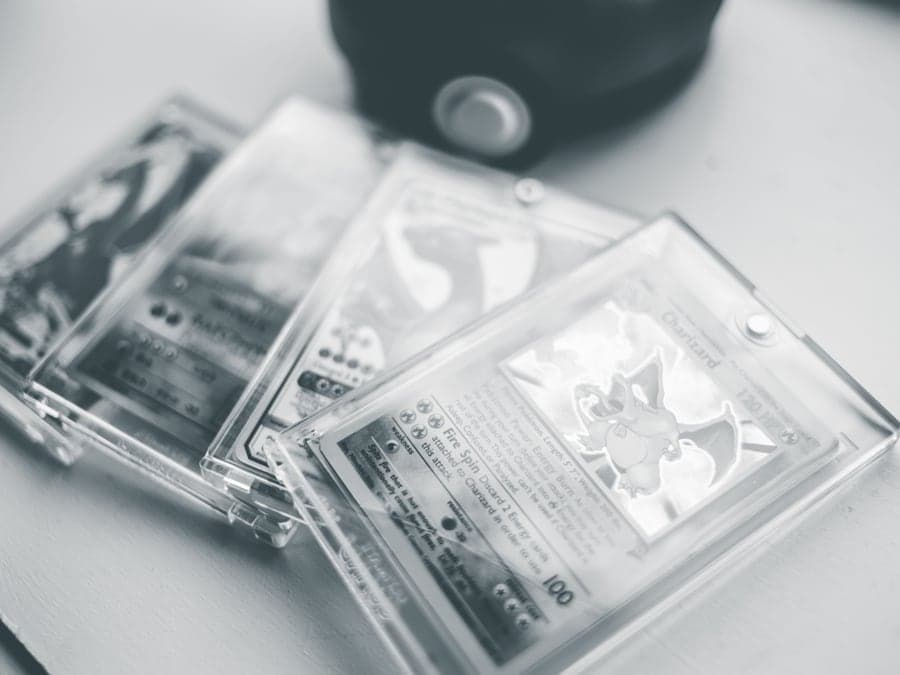
| Rigid holder | Bending, creasing, corner impact | Anything you would be annoyed to damage |
| Resealable bag | Dust, some humidity exchange, scuffing | Anything going into storage |
| Storage box or binder | Light, pressure, disorder | The whole collection |
| Environment | Humidity, heat, fire, water | Where the boxes actually live |
Quick picks
| # | Product | Best for | Price |
|---|---|---|---|
| 1 | UP Ultra Pro Platinum Soft Card Sleeves Clear, acid-free, for every card you keep. The cheapest and most universally useful item in the hobby. Layer one | The default penny sleeve | Check price on Amazon |
| 2 | UP Ultra Pro 3x4 Regular Toploaders (35pt) Rigid protection for anything you would be annoyed to crease. Layer two | Standard modern cards | Check price on Amazon |
| 3 | B BCW Resealable Team Bags A dust and humidity barrier for pennies, and the step most collections skip. Layer three | Sealing a sleeved and held card | Check price on Amazon |
| 4 | B BCW 800-Count Cardboard Storage Box A proper box that stacks without sagging and keeps light off everything inside. Layer four | The default raw-card box | Check price on Amazon |
#ad We earn a commission if you buy through these links, at no cost to you. Prices move constantly, so we link to the live listing instead of printing a number that would be wrong next week. How we are funded.
1. Layer one
Ultra Pro Platinum Soft Card Sleeves
Ultra Pro · The default penny sleeve
Clear, acid-free, consistently cut, and sold everywhere in 100-count packs. It is the sleeve every other sleeve gets compared to, and the one PSA's guidance effectively asks for: clear, not opaque.
Why it takes this slot: Clear, acid-free, for every card you keep. The cheapest and most universally useful item in the hobby.
- Size
- Standard 2 5/8" x 3 5/8" trading card
- Material
- Acid-free, PVC-free polypropylene
- Pack size
- 100 count, sold in multipacks
- Clarity
- Clear — grading-submission appropriate
What it does well
- Clear sleeve, which is what grading submissions require
- Consistent cut, so cards do not catch going in
- Cheap enough to sleeve a whole box without thinking about it
Where it falls short
- Thin by design — a sleeve is not protection on its own
- Static cling makes single-handed loading fiddly
#ad We link to the listing rather than printing a price that would be wrong next week. How we are funded
2. Layer two
Ultra Pro 3x4 Regular Toploaders (35pt)
Ultra Pro · Standard modern cards
The toploader the whole hobby defaults to. Clear, reliably sized, PVC-free, and available in every quantity from a 25-count pack to a case.
Why it takes this slot: Rigid protection for anything you would be annoyed to crease.
- Size
- 3" x 4"
- Card thickness
- Up to 35pt
- Material
- PVC-free rigid plastic
- Common pack sizes
- 25, 100 and 200 count
What it does well
- Fits a sleeved standard card correctly, which is the whole job
- Available everywhere, so you never change brands mid-collection
- Cheapest reliable protection for a card you are shipping or trading
Where it falls short
- Not accepted for grading submissions — PSA's guide says not to use toploaders
- Rigid plastic scuffs, so they are not a long-term display answer
#ad We link to the listing rather than printing a price that would be wrong next week. How we are funded
3. Layer three
BCW Resealable Team Bags
BCW · Sealing a sleeved and held card
The cheap step everybody skips. A resealable bag around a sleeved card in a holder keeps dust and humidity off it and keeps lots together in a box.
Why it takes this slot: A dust and humidity barrier for pennies, and the step most collections skip.
- Format
- Resealable polypropylene bag
- Material
- Acid-free, PVC-free
- Pack size
- 100 count
What it does well
- Pennies per card for a real dust and moisture barrier
- Keeps a lot or a team set together without rubber bands
- Resealable, so it survives repeated handling
Where it falls short
- One more thing to open when you want the card
- Does nothing about physical impact
#ad We link to the listing rather than printing a price that would be wrong next week. How we are funded
4. Layer four
BCW 800-Count Cardboard Storage Box
BCW · The default raw-card box
White corrugated, 200 lb test, and the box the hobby measures storage in. Buy these in multipacks and label them; the count on the lid is the only organization system that survives contact with a growing collection.
Why it takes this slot: A proper box that stacks without sagging and keeps light off everything inside.
- Stated capacity
- About 700 standard 20pt cards, or about 1,140 gaming cards
- Construction
- White corrugated paper, 200 lb test
- Format
- Two-piece box with lid
What it does well
- The published test strength is real — these stack without sagging
- Cheapest cost per card stored of any format
- Sold in multipacks, so a restock is one order
Where it falls short
- The nominal count assumes bare cards, not sleeved or held ones
- Cardboard gives you nothing against humidity
#ad We link to the listing rather than printing a price that would be wrong next week. How we are funded
Matching protection to the card
- Bulk commons: a box, sorted, nothing else. Being honest about this is how you afford to protect the rest properly.
- Cards you like: sleeve, and a binder page or a box.
- Cards with real value: sleeve, toploader, bag, box, in a good location.
- Cards going to a grader: sleeve plus a semi-rigid, never a toploader.
- Cards on display: sleeve and a magnetic holder, out of direct sun.
- Graded cards: a slab sleeve and a slotted slab box.
The environment is the part people get wrong
Holders are visible and buying them feels like progress. Where the box sits is invisible and free, and it matters more. Stable room temperature, low humidity, no direct sunlight, nothing stacked heavily on top. A garage and a basement are the two worst common choices and the two most popular.
What no product solves
Light fading, over a long enough period, for a card on display: minimize it with UV-claiming holders and by keeping displays away from windows, but do not imagine it is solved. Fire and flood: only a rated box addresses those, and only for what fits inside it. And handling damage, which is prevented by habits rather than purchases.
For the environment side in detail, see how to store sports cards long term. For the mechanics of the first two layers, how to sleeve and toploader a card.
Common questions
What is the best way to protect sports cards?
Do I need to protect every card?
Does temperature matter for card storage?
How do I protect graded cards?
Back to Card Protection.
Sources
About the author
Brijon M. is the hands-on owner behind MadGrey LLC and the person who writes and maintains every page on Slab & Stack. He buys supplies in bulk, submits cards for grading, and keeps this site's recommendations tied to what a working collection actually needs.
Brijon M. · Owner, MadGrey LLC · Read the full bio
Read next
guide
How to Sleeve and Toploader a Card
Thirty seconds per card, done properly, and the card never picks up handling damage.
Picks
Best Toploaders for Sports Cards
One size covers most of a collection. The rest is knowing when it does not.

guide
How to Store Sports Cards Long Term
The decision that matters most is free: where the boxes live.

Picks
Best Slab Sleeves and Bags
The cheapest upgrade a graded collection can get, and the one most people skip.
Picks
Best Team Bags
Pennies per card for a dust and moisture barrier, and a way to keep lots together.