Best for PSA submissions
Best Card Savers for PSA Submission
PSA's own guidance names the holder. These are the ones worth buying by the hundred.
See all 5 picks →
Stage 3 of the collection
Is it worth grading, who should grade it, and what do you need to send it in?
Disclosure: Slab & Stack is funded by affiliate commission. If you buy through a link on this page we may earn a commission at no extra cost to you, and that never changes which product we put first. How we pick · Full disclosure
Grading is the stage where a collection stops being a pile of cardboard and starts being an asset with a price history. It is also where the most money gets wasted, because the fee is the same whether the card comes back a 10 or a 7. Everything on this hub is organized around getting that decision right before you pay for it.
Is this card worth grading at all? A grading fee only makes sense when the graded version of the card sells for meaningfully more than the raw version plus the fee plus shipping both ways. For most cards it does not, and the honest answer is to leave it raw. We work the arithmetic through in is card grading worth it and what cards are worth grading.
Who should grade it? PSA carries the strongest resale premium and, as of 2026, the longest queue and the highest entry fee of the major graders. SGC, CGC and BGS each win on a different axis — turnaround, bulk economics or sub-grades. The comparison pages here (PSA vs SGC, PSA vs CGC, PSA vs BGS) exist because the right answer genuinely changes with the card.
What do I need to send it? Clear penny sleeves, semi-rigid holders at the stated size, and packaging that stops the stack moving in transit. That is the whole list, and getting it wrong is the one failure mode that damages cards after you have already paid.
PSA's shipping guidance is specific: each card goes in a clear penny sleeve, then into a semi-rigid holder measuring 3 5/16" by 4 7/8". Not a toploader. The guidance names toploaders explicitly among the things not to use, alongside tape, pull tabs and sticky notes. That one sentence is why card savers exist as a product category at all, and why the Card Saver 1 is the default rather than a preference.
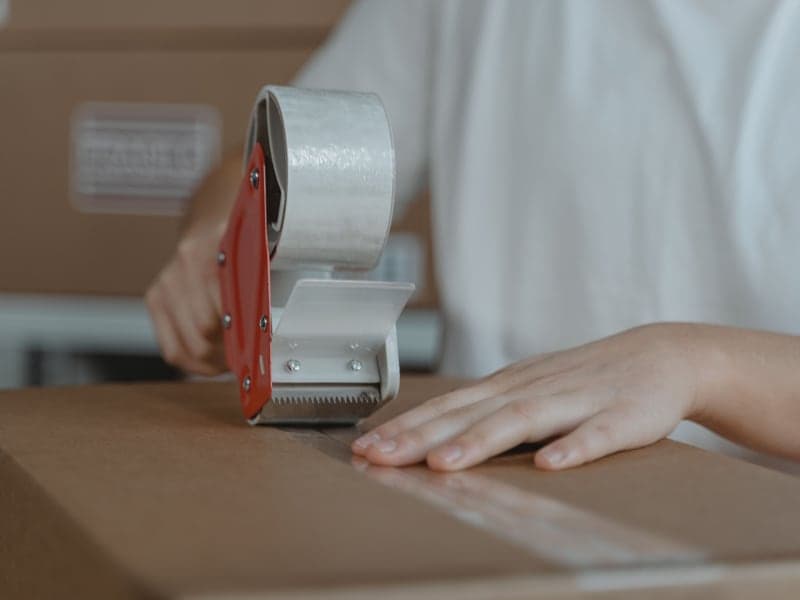
The packaging is equally prescriptive and equally cheap to get right: cards stacked in submission order, sandwiched between two cardboard dividers, banded firmly enough not to shift and loosely enough not to bite, in a sturdy box with no room to move. Movement in transit is what causes corner damage. How to package cards for PSA walks the whole sequence.
Centering is the single most common reason a card misses a gem grade, and it is the one defect you can measure at your own desk for the cost of a takeaway coffee. An acrylic centering tool settles the question in seconds. Pulling two cards out of a twenty-card submission because they are visibly off-center pays for the tool several times over on the first order.
Once a card comes back in a slab it becomes a different storage problem with different rules, covered in slab display and protection.
Each list leads with the one to buy, and each tile links straight to the live listing for its top pick.
Best for PSA submissions
PSA's own guidance names the holder. These are the ones worth buying by the hundred.
See all 5 picks →
Best semi-rigid holders
Three brands, four sizes, one decision — which semi-rigid for which card.
See all 5 picks →
Best submission supply kit
The complete list, in the order you use it — and nothing you do not need.
See all 5 picks →

Best centering tool
Measure the one defect that costs the most grades, before you pay to find out.
See all 3 picks →
Best grading company
Four graders, four different right answers. Which one depends on the card.
See all 3 picks →
The questions that decide a purchase before you get to the product list.

Head to head
Two holders, two jobs. Sending the wrong one is the most common submission mistake.
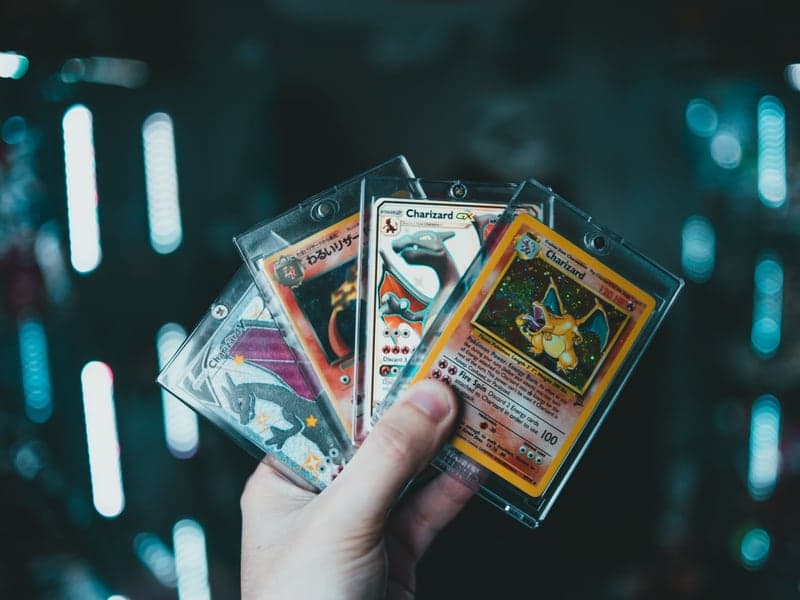
Head to head
Not better and worse — bigger and smaller. Here is which card belongs in which.
Head to head
The resale premium against the vintage slab — and the 2026 pricing that complicates both.

Head to head
A single number that sells, or four numbers that explain. Pick the one you need.
Reference
What the tiers are, what drives the price, and why the number moved three times this year.

Reference
Estimates in business days, what moves them, and how to plan around a queue.
Reference
Four numbers, one published dimension, and a straight answer about the rest.
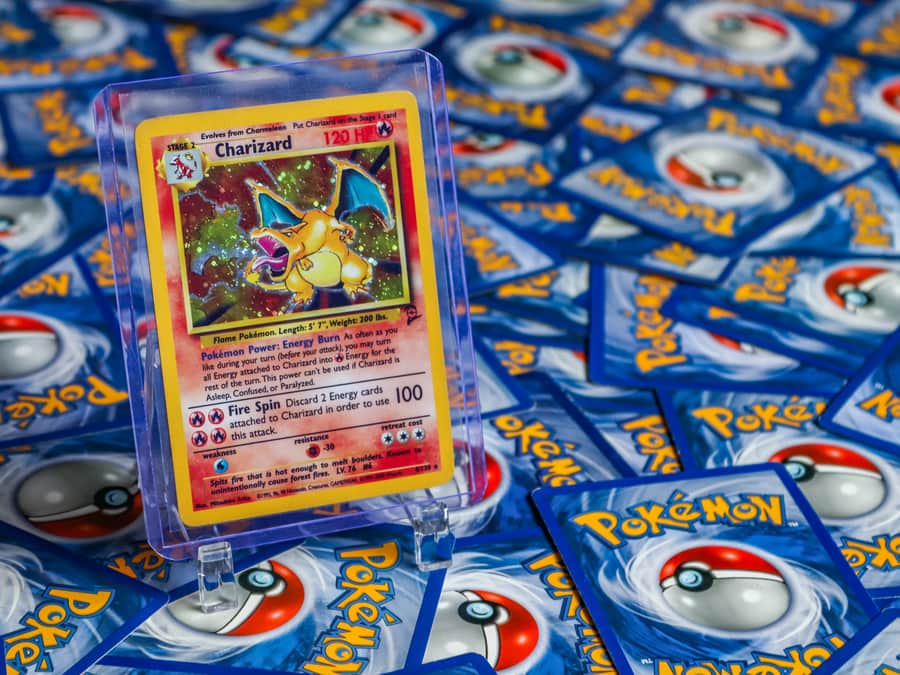
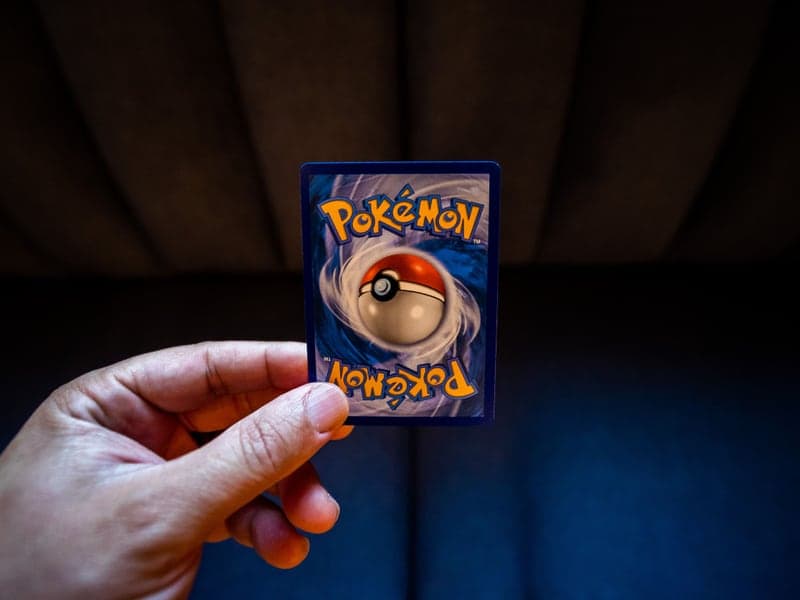
Guide
A filter you can run over a whole box, in order, with the cheap checks first.

Guide
The sequence PSA's guidance actually asks for, and the mistakes that damage cards in transit.
Guide
Everything after the box is packed, including the records you will want if something goes wrong.