Collector Guides
Card Show Supplies Checklist
Two packing lists: one for walking the floor, one for working a table.
By Brijon M. · Published October 6, 2026 · Last updated October 6, 2026

Disclosure: Slab & Stack is funded by affiliate commission. If you buy through a link on this page we may earn a commission at no extra cost to you, and that never changes which product we put first. How we pick · Full disclosure
The short answer
Transport protection going out, supplies for what you buy coming back
Buyers turn up with nothing and put new purchases in a jacket pocket. Sellers turn up with slabs loose in a box and take them home scuffed. Both problems cost more than the supplies that prevent them, and both lists are short.
A card show punishes the unprepared in specific, avoidable ways. Nothing here is expensive; it is all just easy to leave at home.
Quick picks
| # | Product | Best for | Price |
|---|---|---|---|
| 1 | B BCW Graded Locking Case Three rows of foam-held slabs with a lock. The format that gets graded cards there and back intact. For taking slabs to a show | Taking slabs to a show | Check price on Amazon |
| 2 | UP Ultra Pro Platinum Soft Card Sleeves A new purchase handed over bare needs a sleeve immediately, not when you get home. The thing buyers forget | The default penny sleeve | Check price on Amazon |
| 3 | UP Ultra Pro 3x4 Regular Toploaders (35pt) Rigid protection for anything bought on the floor, before it goes in a bag. Pack a stack | Standard modern cards | Check price on Amazon |
| 4 | B BCW Resealable Bags for Toploaders A bagged, loaded holder survives a bag full of other things. For keeping purchases together | Bagging a card already in a toploader | Check price on Amazon |
| 5 | G GradedGuard PSA Slab Sleeves Handling at a show is exactly where cases pick up the scratches that dull them. For slabs changing hands | Scratch protection on a PSA slab | Check price on Amazon |
| 6 | B BCW 800-Count Cardboard Storage Box Sorted, labeled boxes are what a table runs on. The vendor's unit | The default raw-card box | Check price on Amazon |
#ad We earn a commission if you buy through these links, at no cost to you. Prices move constantly, so we link to the live listing instead of printing a number that would be wrong next week. How we are funded.
1. For taking slabs to a show
BCW Graded Locking Case
BCW · Taking slabs to a show
A three-row hard case with dense foam, built with Zion Cases. If slabs leave the house, this is the format that gets them back intact.
Why it takes this slot: Three rows of foam-held slabs with a lock. The format that gets graded cards there and back intact.
- Capacity
- Three rows of graded slabs
- Interior
- Dense foam base with soft foam lid lining
- Closure
- Locking hard case
What it does well
- Foam plus a hard shell is real transport protection
- Locks, which matters on a show table
Where it falls short
- Heavy
- Costs many times a cardboard slab box
#ad We link to the listing rather than printing a price that would be wrong next week. How we are funded
2. The thing buyers forget
Ultra Pro Platinum Soft Card Sleeves
Ultra Pro · The default penny sleeve
Clear, acid-free, consistently cut, and sold everywhere in 100-count packs. It is the sleeve every other sleeve gets compared to, and the one PSA's guidance effectively asks for: clear, not opaque.
Why it takes this slot: A new purchase handed over bare needs a sleeve immediately, not when you get home.
- Size
- Standard 2 5/8" x 3 5/8" trading card
- Material
- Acid-free, PVC-free polypropylene
- Pack size
- 100 count, sold in multipacks
- Clarity
- Clear — grading-submission appropriate
What it does well
- Clear sleeve, which is what grading submissions require
- Consistent cut, so cards do not catch going in
- Cheap enough to sleeve a whole box without thinking about it
Where it falls short
- Thin by design — a sleeve is not protection on its own
- Static cling makes single-handed loading fiddly
#ad We link to the listing rather than printing a price that would be wrong next week. How we are funded
3. Pack a stack
Ultra Pro 3x4 Regular Toploaders (35pt)
Ultra Pro · Standard modern cards
The toploader the whole hobby defaults to. Clear, reliably sized, PVC-free, and available in every quantity from a 25-count pack to a case.
Why it takes this slot: Rigid protection for anything bought on the floor, before it goes in a bag.
- Size
- 3" x 4"
- Card thickness
- Up to 35pt
- Material
- PVC-free rigid plastic
- Common pack sizes
- 25, 100 and 200 count
What it does well
- Fits a sleeved standard card correctly, which is the whole job
- Available everywhere, so you never change brands mid-collection
- Cheapest reliable protection for a card you are shipping or trading
Where it falls short
- Not accepted for grading submissions — PSA's guide says not to use toploaders
- Rigid plastic scuffs, so they are not a long-term display answer
#ad We link to the listing rather than printing a price that would be wrong next week. How we are funded
4. For keeping purchases together
BCW Resealable Bags for Toploaders
BCW · Bagging a card already in a toploader
Sized so a loaded toploader slides in without being bent in. If your team bags are standard-card size, this is the one you actually needed.
Why it takes this slot: A bagged, loaded holder survives a bag full of other things.
- Format
- Resealable bag sized for loaded toploaders
- Material
- Acid-free, PVC-free
- Pack size
- 100 count
What it does well
- Fits a 35pt toploader comfortably
- Stops holder-to-holder scuffing in a box
Where it falls short
- Too big for a bare sleeved card
- Thick cards in thick holders still will not fit
#ad We link to the listing rather than printing a price that would be wrong next week. How we are funded
5. For slabs changing hands
GradedGuard PSA Slab Sleeves
GradedGuard · Scratch protection on a PSA slab
A sleeve cut specifically to PSA slab dimensions. The slab protects the card; nothing protects the slab, and a scratched case is what drops a slab's resale appeal.
Why it takes this slot: Handling at a show is exactly where cases pick up the scratches that dull them.
- Fits
- PSA slabs
- Purpose
- Protects the case from scratches, scuffs and handling wear
- Format
- Slip-on sleeve, sold in multipacks
What it does well
- Precision fit means the slab does not slide inside the sleeve
- Keeps the case presentable through repeated handling and shipping
- Cheap relative to the slab it protects
Where it falls short
- PSA-specific — confirm the fit before buying for BGS, CGC or SGC
- A sleeve does not protect against impact
#ad We link to the listing rather than printing a price that would be wrong next week. How we are funded
6. The vendor's unit
BCW 800-Count Cardboard Storage Box
BCW · The default raw-card box
White corrugated, 200 lb test, and the box the hobby measures storage in. Buy these in multipacks and label them; the count on the lid is the only organization system that survives contact with a growing collection.
Why it takes this slot: Sorted, labeled boxes are what a table runs on.
- Stated capacity
- About 700 standard 20pt cards, or about 1,140 gaming cards
- Construction
- White corrugated paper, 200 lb test
- Format
- Two-piece box with lid
What it does well
- The published test strength is real — these stack without sagging
- Cheapest cost per card stored of any format
- Sold in multipacks, so a restock is one order
Where it falls short
- The nominal count assumes bare cards, not sleeved or held ones
- Cardboard gives you nothing against humidity
#ad We link to the listing rather than printing a price that would be wrong next week. How we are funded
If you are buying
- Penny sleeves and a few toploaders. Cards get handed over bare constantly. A sleeve in your pocket is the difference between a clean card and a thumbprint.
- A small rigid box or case for what you buy, so nothing is loose in a bag with keys.
- A phone with a value lookup app, because a show floor is where a price decision has to be made in thirty seconds.
- A list of what you are looking for, which is the only reliable defense against buying the first interesting thing you see.
- Cash, because many tables prefer it and the prices often reflect that.
- A loupe, if you are buying anything where condition determines the price.
If you are selling
- Hard foam cases for slabs, not a cardboard box. Graded cards traveling loose come home scuffed.
- Sorted, labeled boxes, because a table a buyer cannot browse is a table they walk past.
- Price labels or a price list, so you are not quoting from memory at the sixtieth enquiry.
- Sleeves, toploaders and bags for what you sell, so cards leave your table protected.
- A card reader or payment app, plus change if you take cash.
- Your inventory on a phone or tablet, so you can answer what you have without unloading a box.
- A table cover and something to lean on. The day is longer than you think.
Getting slabs there and back
This is the one genuinely important item. A slotted cardboard box is fine at home and is not transport protection. A hard case with dense foam is what survives a day of being carried, set down and picked up. Sleeve the slabs inside it, because a show is a day of handling — best slab storage boxes.
For the at-home version of the list, sports card supplies checklist.
Common questions
What should I bring to a card show as a buyer?
How do I transport graded cards to a show?
What do I need to sell at a card show?
Should I take cash to a card show?
Back to Collector Guides.
Sources
About the author
Brijon M. is the hands-on owner behind MadGrey LLC and the person who writes and maintains every page on Slab & Stack. He buys supplies in bulk, submits cards for grading, and keeps this site's recommendations tied to what a working collection actually needs.
Brijon M. · Owner, MadGrey LLC · Read the full bio
Read next

guide
Sports Card Supplies Checklist
In buying order, with honest quantities and the items you can skip entirely.

Picks
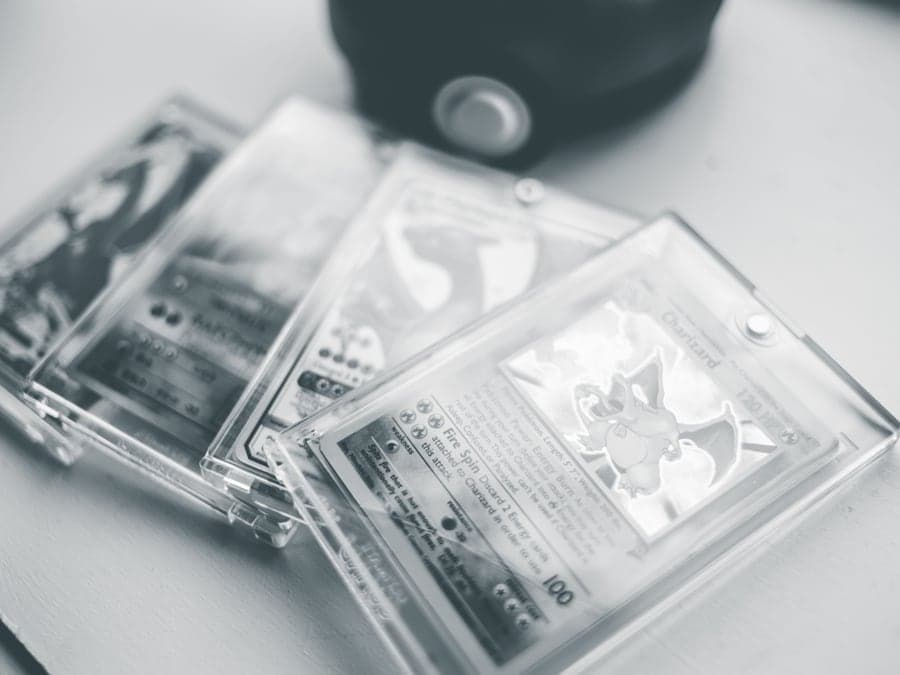
Best Slab Storage Boxes
Where the other ninety percent of a graded collection should actually live.

Picks
Best Card Value Lookup Tools
Sold prices, not asking prices. Everything else follows from that one distinction.
pillar
The Rip-to-Slab Workflow
Six stages, in order, with the decision that moves a card from one to the next.