
Best toploaders
Best Toploaders for Sports Cards
One size covers most of a collection. The rest is knowing when it does not.
See all 6 picks →
Stage 2 of the collection
What to put the card in the moment it comes out of the pack.
Disclosure: Slab & Stack is funded by affiliate commission. If you buy through a link on this page we may earn a commission at no extra cost to you, and that never changes which product we put first. How we pick · Full disclosure
Protection is the cheapest money in the hobby and the easiest to get subtly wrong. Nearly every protection mistake is the same mistake: the wrong thickness. A card forced into a holder that is a band too small picks up exactly the corner and edge damage the holder was bought to prevent.
A penny sleeve stops the card rubbing against anything — including the inside of its own holder. It is not protection on its own, it is the layer that makes everything else safe. Use clear ones. Opaque or colored sleeves cause delays at grading, and the sleeve costs the same either way.
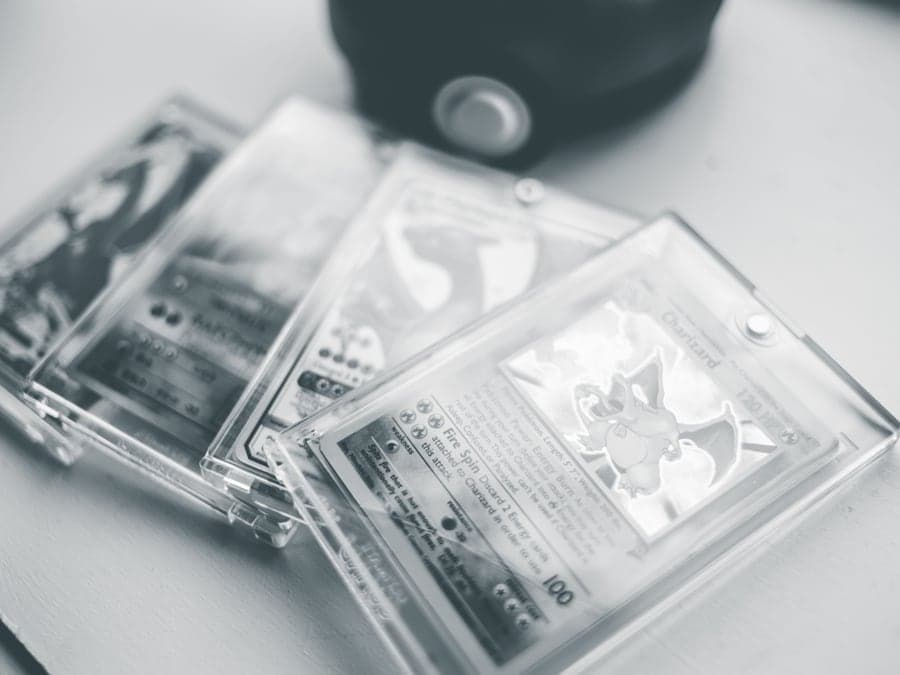
A toploader is rigid transport and short-term storage. It is the right answer for a card being mailed, traded, or sat in a box for a season. It is the wrong answer for a grading submission, and we mean that literally: PSA's own shipping guidance lists toploaders alongside tape and sticky notes as things not to send.
A magnetic one-touch holder is display. It costs many times a toploader, it carries UV-blocking additives the manufacturer publishes, and it stands up on a shelf without a separate stand. Buy it for cards you intend to look at, not for cards you intend to ship. A screwdown is the extreme version: nothing moves, ever, and you need a screwdriver to see the card again.
A point is one thousandth of an inch. A standard modern base card is around 20pt bare, and roughly 23pt to 25pt once sleeved, which is why a 35pt holder is the one to stock by the hundred. Everything above that is a band: 55pt for jersey inserts, 75pt for single-patch relics, 100pt and 130pt for thick patch stock, and 180pt and above for booklets, where magnetics and screwdowns take over from toploaders entirely.
Two reference pages here do the deciding for you and are worth bookmarking rather than reading once: the card thickness points chart and toploader sizes explained. Between them they answer the only question that matters at the moment of purchase, which is what fits.
When a card graduates from protection to submission, the format changes again — semi-rigid holders only. That handover is covered in card saver vs toploader, and the supplies themselves in best card savers for PSA.
Each list leads with the one to buy, and each tile links straight to the live listing for its top pick.
Best toploaders
One size covers most of a collection. The rest is knowing when it does not.
See all 6 picks →
Best penny sleeves
The layer everything else depends on, at a fraction of a cent per card.
See all 3 picks →
Best magnetic holders
The display format — UV-blocking, magnetic, and sized per card thickness.
See all 6 picks →

Best for thick cards
The bands above 35pt, and the point where a toploader stops being the right answer.
See all 5 picks →

Best screwdown holders
The most secure raw-card holder there is, and the least convenient. That is the trade.
See all 3 picks →
Best team bags
Pennies per card for a dust and moisture barrier, and a way to keep lots together.
See all 3 picks →
The questions that decide a purchase before you get to the product list.
Reference
One table that turns a card in your hand into a holder on a shelf.
Reference
Six bands, one footprint, and a stocking plan that does not waste money.
Head to head
Transport or display. The price gap only makes sense once you know which you need.

Head to head
The long-term storage version of the question, which has a different answer.
Guide
Thirty seconds per card, done properly, and the card never picks up handling damage.
Guide
Five layers, in order, and an honest answer about which cards need all five.