Grading & Submission
When to Grade a Card
The card does not change while it waits. Everything around it does.
By Brijon M. · Published October 6, 2026 · Last updated October 6, 2026

Disclosure: Slab & Stack is funded by affiliate commission. If you buy through a link on this page we may earn a commission at no extra cost to you, and that never changes which product we put first. How we pick · Full disclosure
The short answer
Grade when the card is stable, not when it is hot
A 90-business-day turnaround means you are selling into a market four or five months away, not today's. Chasing a spike usually means arriving after it. Grade on durable reasons — a card you are going to hold, a player whose market has settled, a submission you have assembled properly — rather than on a good week.
Timing gets ignored because the card itself does not change. But everything that determines what the slab is worth does change: the player's market, the number of graded examples in existence, the fee, and the length of the queue.
The turnaround is the timing
If the tier you can afford estimates 90 to 100 business days, you are making a decision about the market four or five months from now. That single fact invalidates most timing instincts. A card submitted during a player's hot streak returns well after it, into a market with more graded examples than when you shipped.
Good reasons to submit now
- You have enough cards to clear a bulk minimum without padding the order with cards that should not be graded.
- The card is one you intend to hold for years, where the slab is also its best long-term protection.
- You are selling a collection and the graded examples will sell faster and more predictably.
- The card has an authenticity question that a grade settles permanently.
- Conditions are stable and the fee you are paying is one you are happy with regardless of what happens next.
Good reasons to wait
- The player is mid-spike. By the time the card returns, so has everyone else's.
- The product has just released and the market has not settled — early prices are not a baseline.
- You have four cards and the economics only work at a bulk minimum. Accumulate.
- Fees have just moved and the picture is unclear, which was repeatedly the case through 2026.
- You have not screened the card yet. Never ship a card you have not measured.
Quick picks
| # | Product | Best for | Price |
|---|---|---|---|
| 1 | CG Cardboard Gold Card Saver 1 Having holders on the shelf means you can submit on your schedule rather than waiting on a delivery. Ready before the moment arrives | Standard modern cards going to PSA | Check price on Amazon |
| 2 | B BCW Resealable Team Bags Cards waiting for a submission to fill up need to be bagged and set aside, not left loose in a pile. Hold the queue cleanly | Sealing a sleeved and held card | Check price on Amazon |
| 3 | L Luxiv Card Grading Centering Tool Kit The waiting period is when screening should happen, not the night before you ship. Screen while you wait | Pre-screening centering before you pay a fee | Check price on Amazon |
#ad We earn a commission if you buy through these links, at no cost to you. Prices move constantly, so we link to the live listing instead of printing a number that would be wrong next week. How we are funded.
1. Ready before the moment arrives
Cardboard Gold Card Saver 1
Cardboard Gold · Standard modern cards going to PSA
The semi-rigid holder PSA's own shipping guide points you toward, at the size its instructions name. If you submit standard-thickness modern cards, this is the default and the decision is made.
Why it takes this slot: Having holders on the shelf means you can submit on your schedule rather than waiting on a delivery.
- Holder size
- 3 5/16" x 4 7/8"
- Card thickness
- Standard cards up to roughly 20pt
- Material
- Acid-free, PVC-free rigid vinyl
- Common pack sizes
- 50, 100 and 200 count
What it does well
- Matches the semi-rigid dimensions PSA's shipping guide specifies
- Consistent fit from pack to pack, which matters when you are loading 200 cards
- Thin enough to band and ship in bulk without a bulky box
Where it falls short
- A snug fit — a thick or already-curved card needs care going in
- Priced above generic semi-rigids precisely because it is the submission standard
#ad We link to the listing rather than printing a price that would be wrong next week. How we are funded
2. Hold the queue cleanly
BCW Resealable Team Bags
BCW · Sealing a sleeved and held card
The cheap step everybody skips. A resealable bag around a sleeved card in a holder keeps dust and humidity off it and keeps lots together in a box.
Why it takes this slot: Cards waiting for a submission to fill up need to be bagged and set aside, not left loose in a pile.
- Format
- Resealable polypropylene bag
- Material
- Acid-free, PVC-free
- Pack size
- 100 count
What it does well
- Pennies per card for a real dust and moisture barrier
- Keeps a lot or a team set together without rubber bands
- Resealable, so it survives repeated handling
Where it falls short
- One more thing to open when you want the card
- Does nothing about physical impact
#ad We link to the listing rather than printing a price that would be wrong next week. How we are funded
3. Screen while you wait
Luxiv Card Grading Centering Tool Kit
Luxiv · Pre-screening centering before you pay a fee
An acrylic centering guide plus a 30x magnifier and cloths. Centering is the single most common reason a card misses a 10, and this is the cheapest way to find that out before you pay for grading.
Why it takes this slot: The waiting period is when screening should happen, not the night before you ship.
- Contents
- Acrylic centering guide, 30x magnifier, two microfiber cloths
- Material
- Transparent acrylic
- Works with
- PSA, BGS and CGC centering standards
What it does well
- Catches an off-center card before a submission fee is spent on it
- The magnifier doubles as your surface and edge check
- Costs a fraction of one grading fee
Where it falls short
- Measuring by eye on a gauge is less precise than a scan-based measurement
- Does nothing for surface or edge wear on its own
#ad We link to the listing rather than printing a price that would be wrong next week. How we are funded
Seasonality is real
Submission volume rises after major releases and towards the end of the year, and queue depth stretches every published estimate when it does. There is no secret window, but submitting into a quieter stretch is strictly better than submitting into a crush, and it costs nothing to notice which one you are in.
Once you have decided to go, how to package cards for PSA covers the preparation and how to ship cards to PSA the dispatch.
Common questions
Should I grade a card while the player is hot?
Is there a best time of year to submit?
Should I wait for grading prices to drop?
How long should I hold a card before grading it?
Back to Grading & Submission.
Sources
About the author
Brijon M. is the hands-on owner behind MadGrey LLC and the person who writes and maintains every page on Slab & Stack. He buys supplies in bulk, submits cards for grading, and keeps this site's recommendations tied to what a working collection actually needs.
Brijon M. · Owner, MadGrey LLC · Read the full bio
Read next

guide
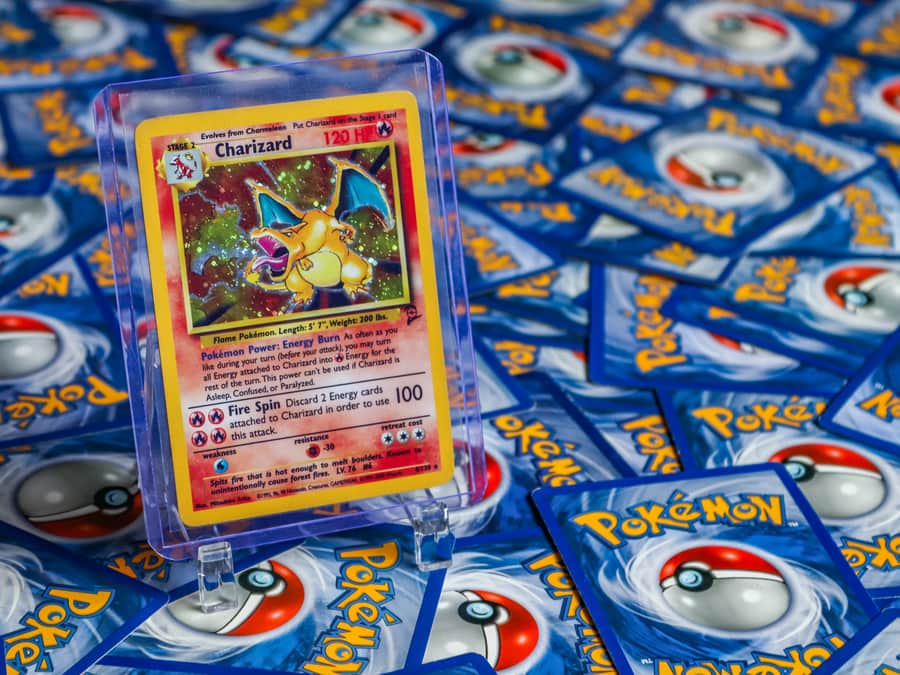
What Cards Are Worth Grading
A filter you can run over a whole box, in order, with the cheap checks first.

reference
PSA Turnaround Times
Estimates in business days, what moves them, and how to plan around a queue.
guide
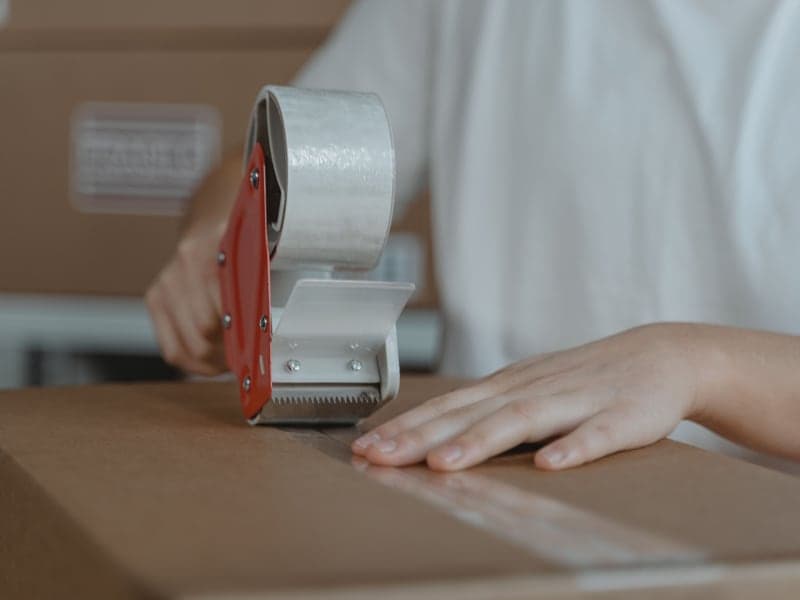
How to Package Cards for PSA
The sequence PSA's guidance actually asks for, and the mistakes that damage cards in transit.
guide
How to Scan Sports Cards
A workflow you can repeat on card number four hundred without thinking about it.
Picks
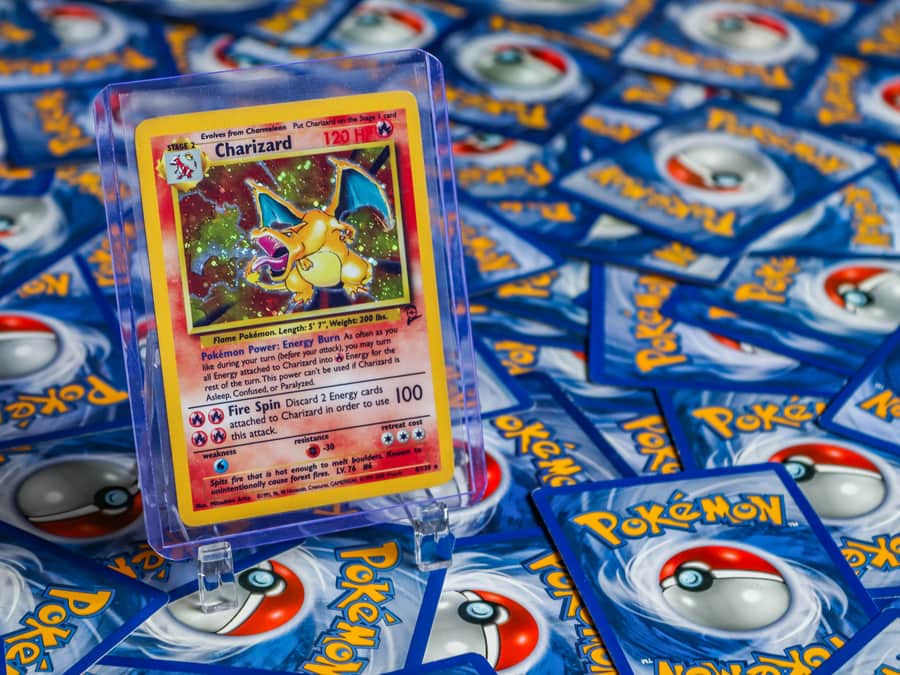
Best Card Grading Company
Four graders, four different right answers. Which one depends on the card.